
Can you use corten steel indoors?
Corten steel has a unique rusty appearance and is very popular in outdoor constructions and garden design. But can you use this special material indoors as well? And do you need to follow special steps for that?
In this blog, we explain what you need to know about using corten steel indoors. We look at the necessary preparations, possible alternatives and measures to prevent problems.
Summary
- Corten steel can also be used indoors in various ways, such as wall decoration, pedestals, and plant containers.
- Corten steel rusts more slowly indoors due to stable humidity and temperature.
- For indoor use, you must first thoroughly clean the corten steel and allow it to rust outside.
- It's best to apply a protective coating to prevent rust discharge.
Can you use corten steel products indoors?
Yes, you can use corten steel products indoors. Besides plant containers, there are many more ways to incorporate corten steel into your interior:
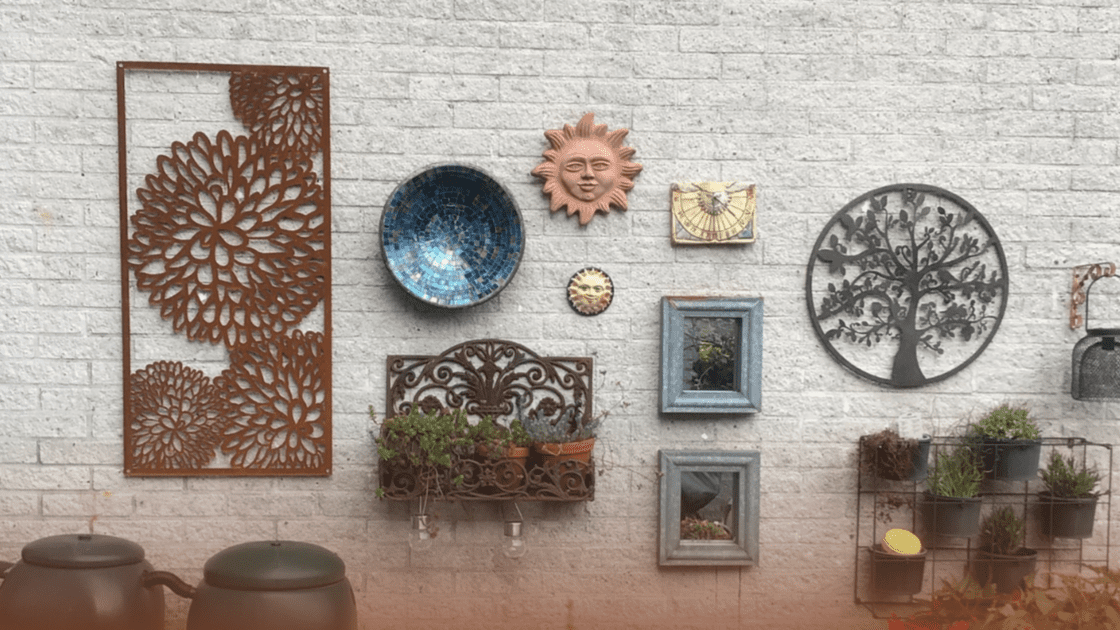
Wall Decoration
The corten steel wall art can be perfectly hung indoors once the corten steel artworks are completely rusted. This wall decoration will no longer discharge any rust and gives your indoor space a fantastic rustic look.
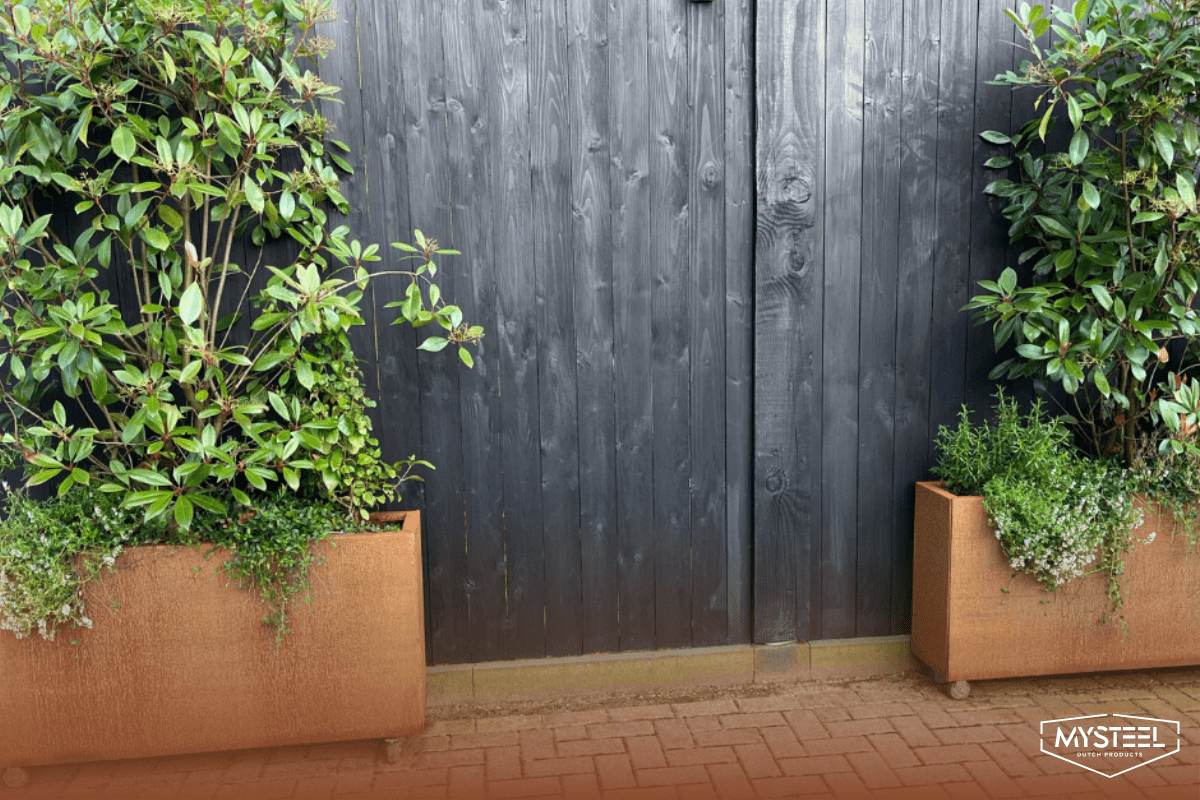
Plant Containers
Additionally, corten steel plant containers can be placed indoors as long as they have a bottom plate and feet or wheels. This way, the potting soil and rusting corten steel do not come into contact with the floor, preventing it from getting dirty. It is, however, important to first let the plant container rust completely outdoors.
Reading Tip
Discover how to prepare your corten steel product before placing it indoors. Check out ‘What should you do before you can place corten steel indoors?’.
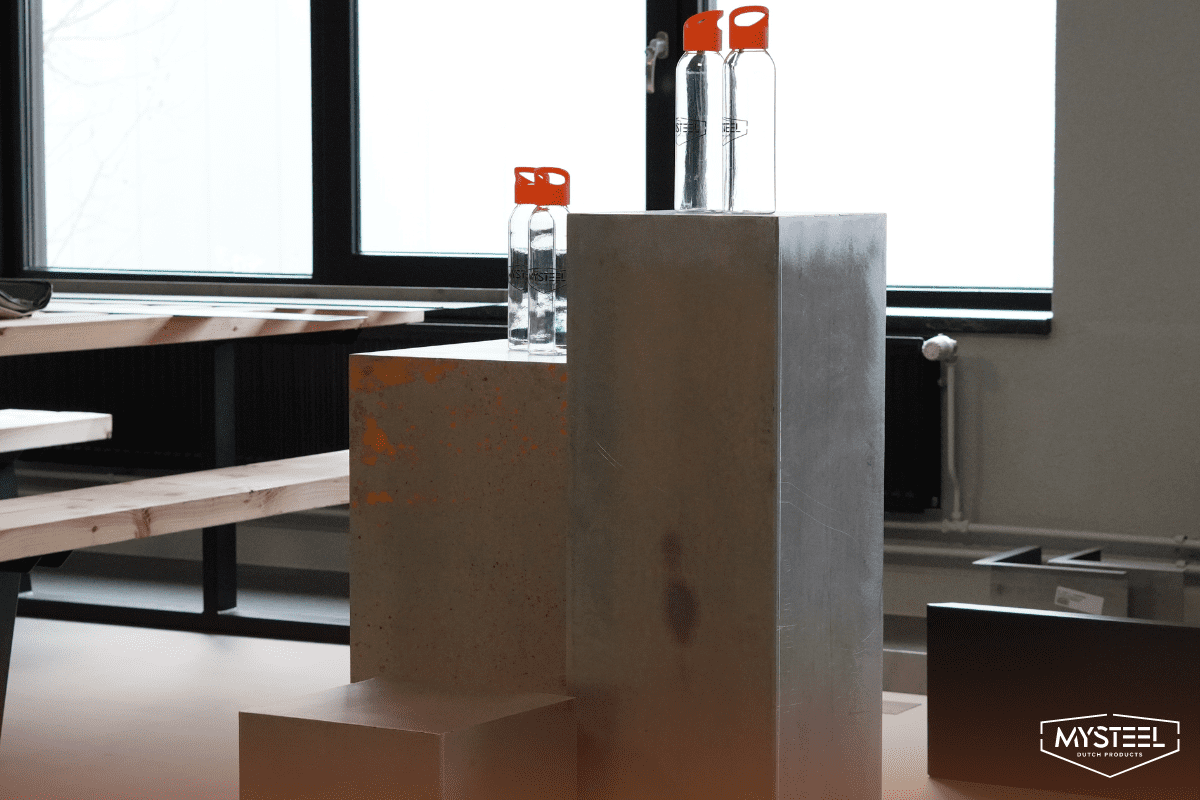
Pedestals
The corten steel pedestals can also be placed indoors once they are fully rusted. These pedestals do not have standard feet. You could place them, for example, on a sturdy elevation to prevent the corten steel from discharging onto the underlying floor.
Does corten steel also rust indoors?
No, corten steel does not rust well indoors. The rusty appearance of corten steel arises from a natural rust process. Outdoors, this process begins due to rain, wind, and temperature fluctuations. The alternation between wet and dry creates the typical rust layer.
Indoors, there is no rain, and there are fewer temperature fluctuations. The humidity is usually lower and remains constant. As a result, the steel does not often get wet and dry. Therefore, corten steel rusts virtually not or hardly at all indoors.
Reading Tip
Want to know more about the rusting process of corten steel? Read our blog ‘The rusting process of corten steel explained’.
What should you do before you can place corten steel indoors?
Before using corten steel indoors, there are a few important steps you need to follow to ensure that the material remains safe and beautiful:
Preparation
Start by thoroughly cleaning the corten steel. Remove all dirt, dust, and use a degreaser to remove any grease. Then place the corten steel outside to let it rust. This process can take several weeks and results in the desired rust layer.
Tip
“Using your corten steel indoors? Place the corten steel on a raised pedestal or use wheels to avoid direct contact with the floor.”
Does corten steel discharge onto the indoor floor or wall?
In the initial phase, corten steel may discharge rust water or rust particles. This can cause stains on the floor or wall where the product is positioned against.
Prevention
You can reduce this risk by taking some measures:
- Treat the surface: Apply a transparent sealer or varnish to the corten steel. These products are specifically designed to prevent rust discharge.
- Remove loose rust: Before placing the corten steel inside, remove all loose rust particles with a soft brush.
- Use a pedestal, feet, or wheels: Place the corten steel on an elevated pedestal or use wheels or feet under large objects such as plant containers. This way, the corten steel does not rest directly on the floor.
- Keep a distance from walls: Ensure that the corten steel does not stand directly against the walls. Maintain a sufficient distance to avoid contact.
“Indoors, corten steel rusts more slowly because there is no rain, and the temperature remains stable.”
What alternatives are there for corten steel indoors?
Are the rust discharge and the long preparation time holding you back from using corten steel? Fortunately, there are various alternatives:
Corten Look Products
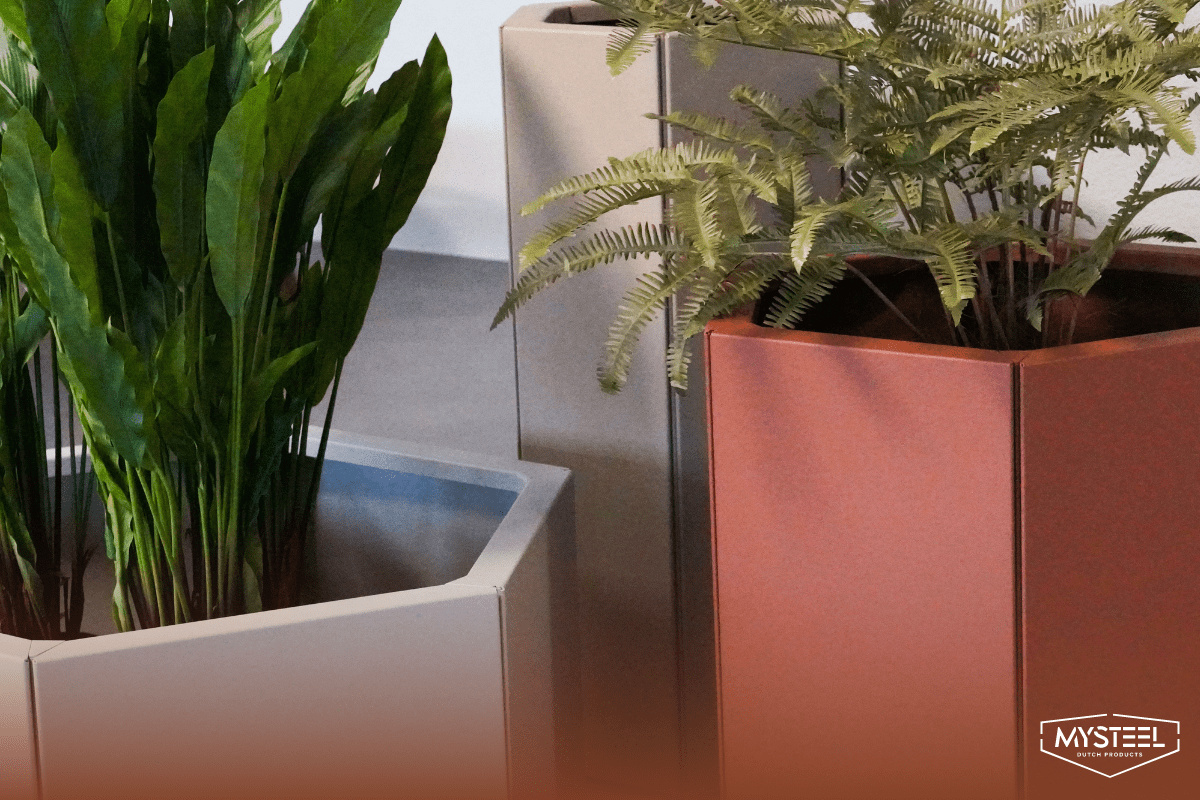
At MySteel, you can find corten look products. These products are powder-coated and do not discharge. Therefore, you can use them indoors right away without long preparation.
Powder-Coated Products in Other Colors
In addition to corten look products, there are also powder-coated products in various colors. These also do not discharge and can be placed indoors from the start.
Using a Rust Accelerator
Do you want to use corten steel, but don't want to wait a long time for the rust process? Then use a rust accelerator. This product speeds up the rust process significantly, so you can achieve the desired appearance within a few days or weeks. For more about using and the functioning of a rust accelerator, read our blog ‘The rusting process of corten steel explained.’
Conclusion
Although corten steel is a beautiful addition to any interior, you need to prepare well before using it indoors. With the right precautions, you can enjoy the unique appearance of corten steel without worrying about rust stains or damage to your floors and walls.