Is corten steel harmful to the environment: people, nature, plants & animals?
Corten steel is a strong type of steel that can be used in many different ways. The material begins to rust after a short period, creating a reddish rust layer. Rust may seem bad, but actually, that outer rust layer protects the rest of the steel. Therefore, corten steel is perfect for outdoor use. Moreover, it lasts a long time and requires little maintenance. Sometimes rumors circulate that corten steel can be harmful to people, animals, plants, and the environment. But is that true? In this blog, we will explore this in more detail and provide a clear answer to the question: Is corten steel harmful to the environment?
Summary
- Corten steel is not harmful to the environment.
- The use of corten steel does not affect animals, plants, and children.
- Corten steel releases during the initial phase of the rust process.
- Corten steel is not toxic.
- Corten steel is not harmful to the environment.
- Corten steel requires little maintenance.
- Place corten steel products with sharp edges away from living areas.
Impact of corten steel on the environment: Can the rust transfer?
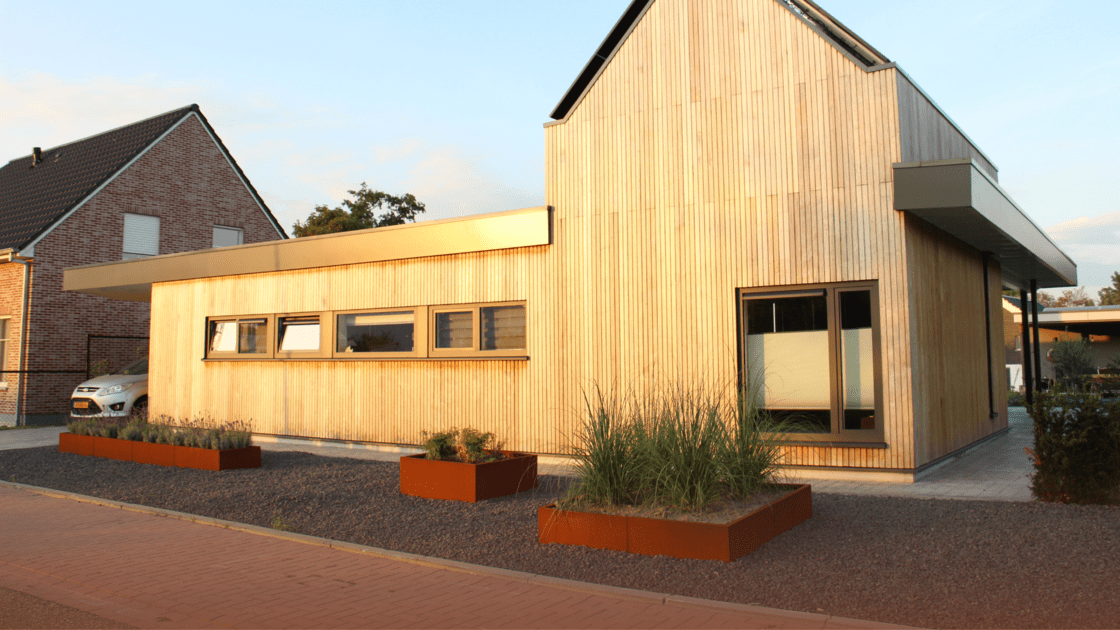
Corten steel impacts the environment through the oxidation process. During this process, the steel acquires a protective, reddish-brown rust layer. This layer ensures that corten steel lasts longer than traditional steel. The rust-brown color blends well with natural landscapes and gives a warm, natural appearance.
Does corten steel transfer?
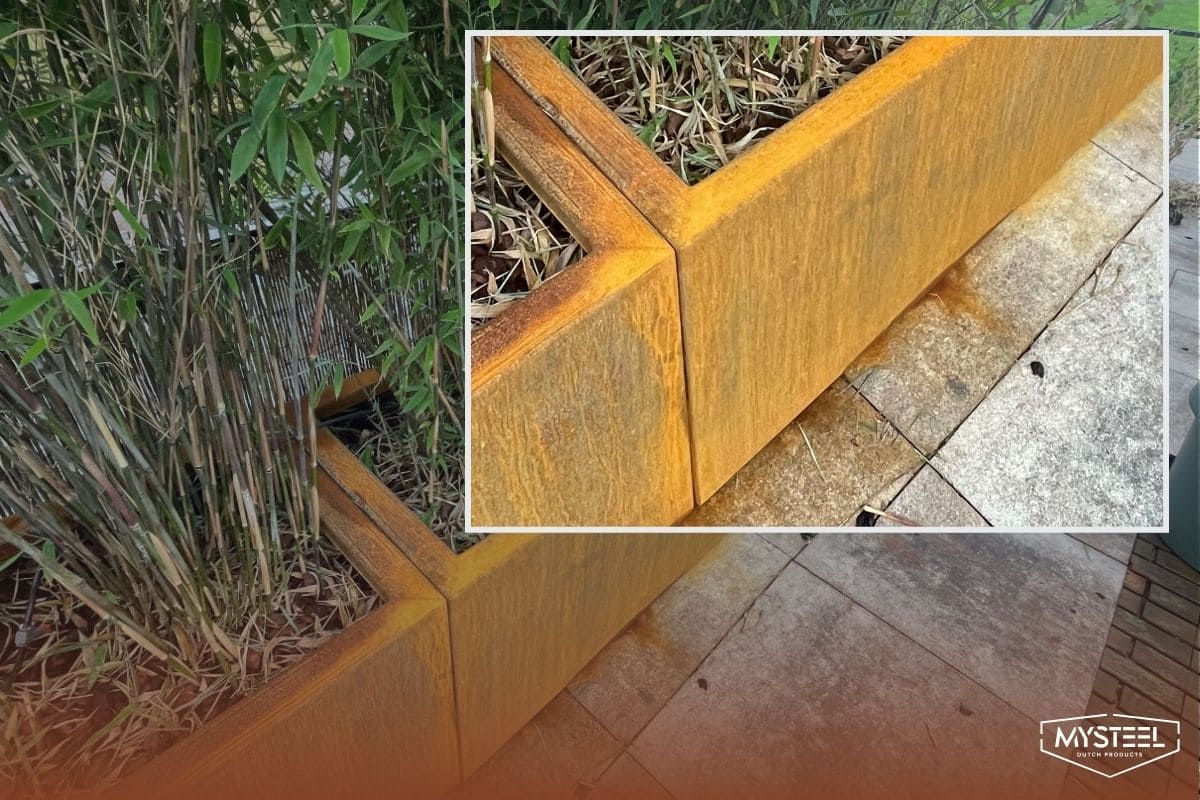
Can corten steel rust transfer? Yes, due to the rusting process, rust-colored stains can appear on the underlying surface.
How long does corten steel transfer?
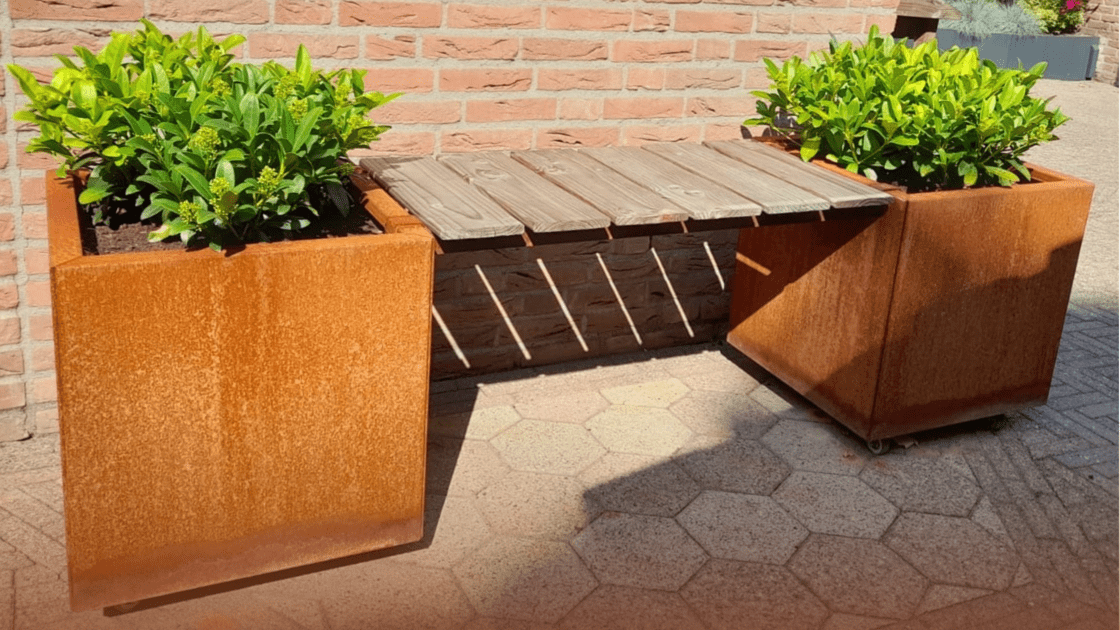
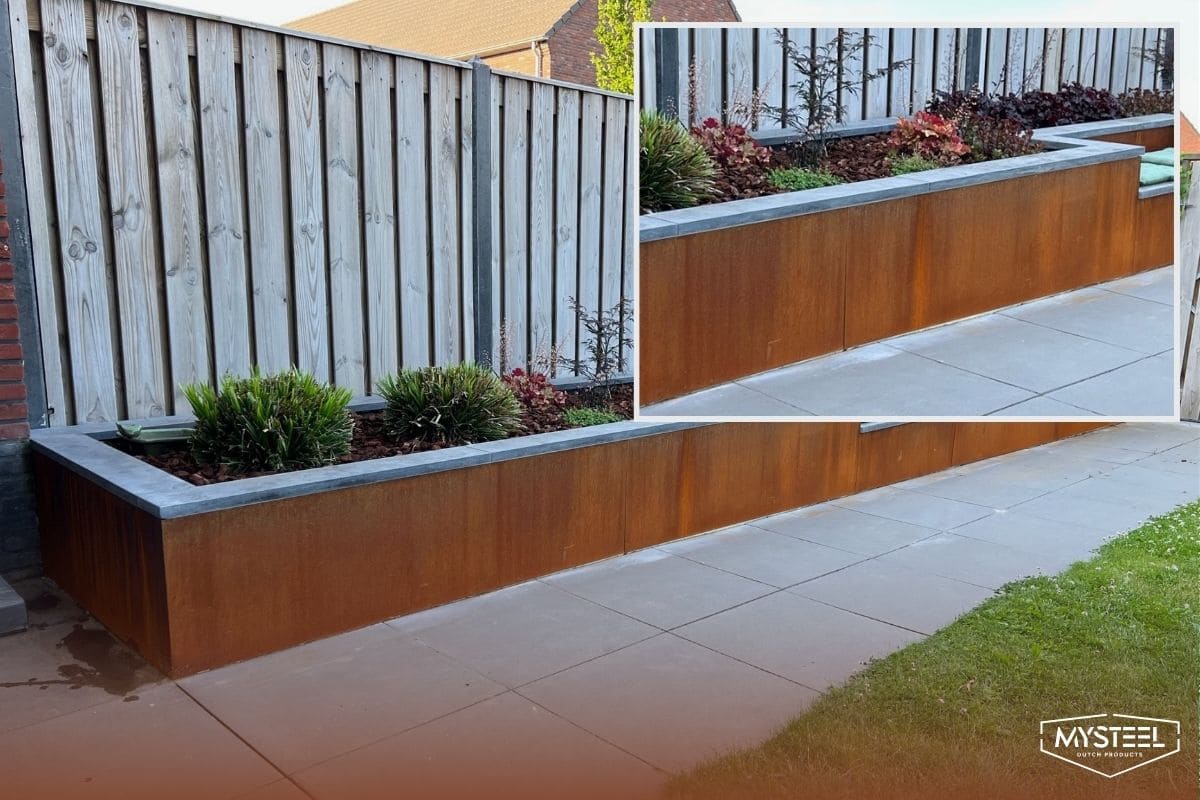
The duration of corten steel's transfer varies and depends on the weather conditions and the location of the corten steel product. Usually, the process takes a maximum of one and a half years. After that, you can even sit on it safely in white pants!
The rust layer, also known as patina, protects the steel from further corrosion and gives it a unique appearance.
How can you remove stains from corten steel?
During the first one and a half years of the rust process, corten steel can leave stains on surfaces or clothing. If you want to remove these stains, both natural and commercial solutions are available.
To prevent rust stains, you can place your corten steel product on a substrate like a tarp.
Removing rust stains from clothing
Corten steel can transfer onto clothing during the rust process. Fortunately, these stains are easy to remove. After a while, corten steel stops transferring.
To remove rust stains from corten steel from clothing, do the following:
- Make a mixture of the juice from half a lemon and two teaspoons of salt.
- Rub the rust stains with this mixture and let it sit for an hour, preferably in sunlight.
- Rinse the garment thoroughly with cold water.
- Wash your clothing afterward as you normally would.
Rust stains on tiles
To remove rust stains from corten steel on tiles, you can make a solution of water and lemon or vinegar (ratio 1:1) or use commercial rust removers. Use the cleaning agent as follows:
- Apply the cleaning agent to the rust stains and let it soak for a few minutes.
- Then scrub with a brush and rinse the tiles with water.
- Repeat if necessary.
- Note: If corten steel comes into contact with the mixture, it can affect the rusting process. So make sure no cleaning agent comes into contact with the corten steel product.
Is corten steel toxic?
Corten steel is an environmentally friendly material and is completely safe for people, animals, and plants. The material is not treated or painted after it has acquired a rust layer, so no toxic substances are released.
When machining or welding corten steel, protective gear is important. Work in well-ventilated areas to minimize exposure to fumes.
What is corten steel made of?
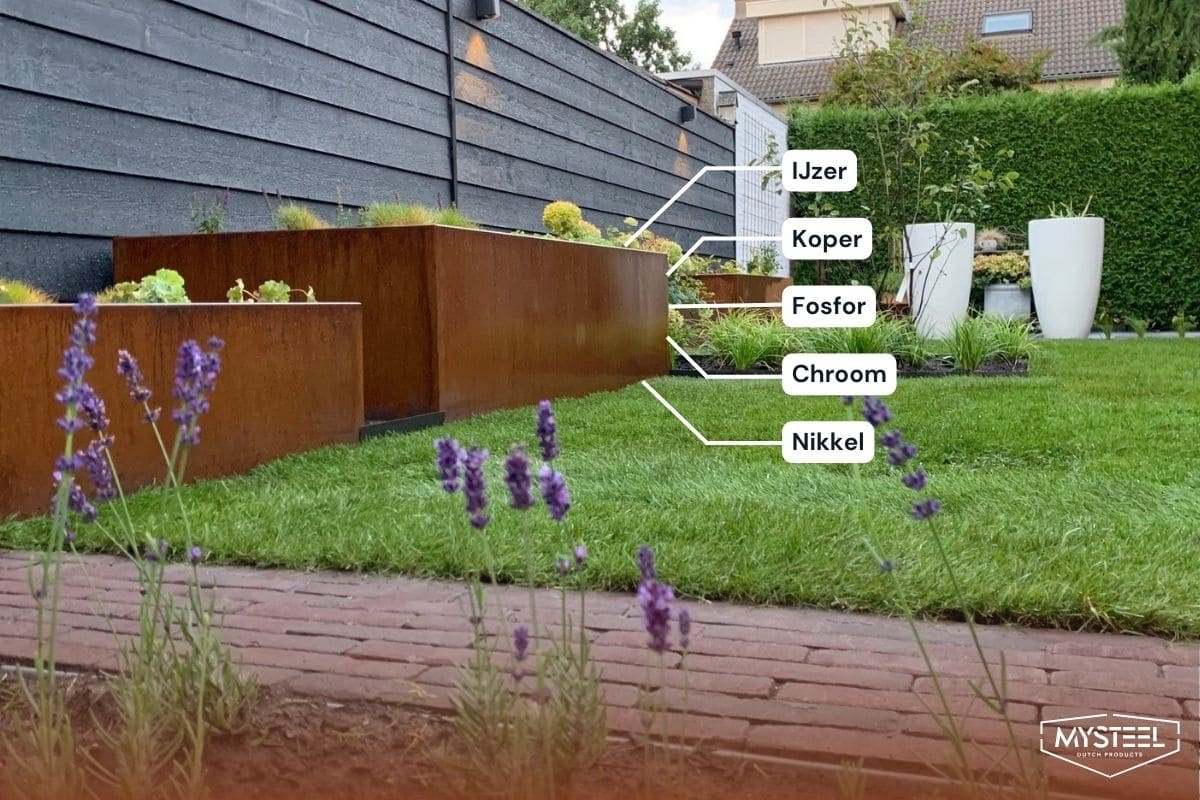
Corten steel is also known as weather-resistant steel or COR-TEN steel. It is primarily made of iron but also contains copper, chromium, nickel, and phosphorus. Due to this mix, corten steel is a unique steel that is strong, requires little maintenance, and does not corrode. The rust layer on corten steel actually protects the rest of the material.
Potential emissions of harmful substances
Corten steel is safe because it does not emit harmful substances. The recognizable rust layer acts as a strong, protective layer, preventing substances from the underlying layers from being released.
“Corten steel is completely safe for people, animals, and plants.”
- Dirk (Product Specialist MySteel)
Environmental friendliness of corten steel
Corten steel is a sturdy metal that requires little maintenance. It has a rust layer that protects it from damage from the environment. Therefore, corten steel is more durable than traditional steel and does not need to be replaced often.
Additionally, it is not necessary to treat corten steel with corrosion-resistant materials and paints. The harmful chemicals in paint and other maintenance products do not enter the environment.
Due to the natural rust layer, corten steel requires less maintenance than other steel types. Therefore, no chemicals are needed throughout the lifespan of this material.
Finally, corten steel, like most types of steel, is recyclable. This means less new raw materials are needed, and less waste goes to landfills. Corten steel is thus a sustainable choice for various applications.
Long lifespan
How long does corten steel last? Corten steel has a long lifespan of several decades. This is due to the natural rust layer that protects the material and makes it strong against varying weather conditions. The formation of the protective rust layer prevents further degradation of the material. As a result, corten steel lasts a long time without significant corrosion issues.
In what conditions does corten steel not last long?
However, there are exceptions. Environmental factors like climate, exposure to salty sea air, and air pollution can affect the lifespan. To keep corten steel in good condition for a long time, maintenance is important. By removing dirt and leaves that can damage the rust layer, you can extend the lifespan of corten steel. Read more in our blog about the maintenance of corten steel.
Impact of corten steel on animals, plants, and children
Animals in the environment
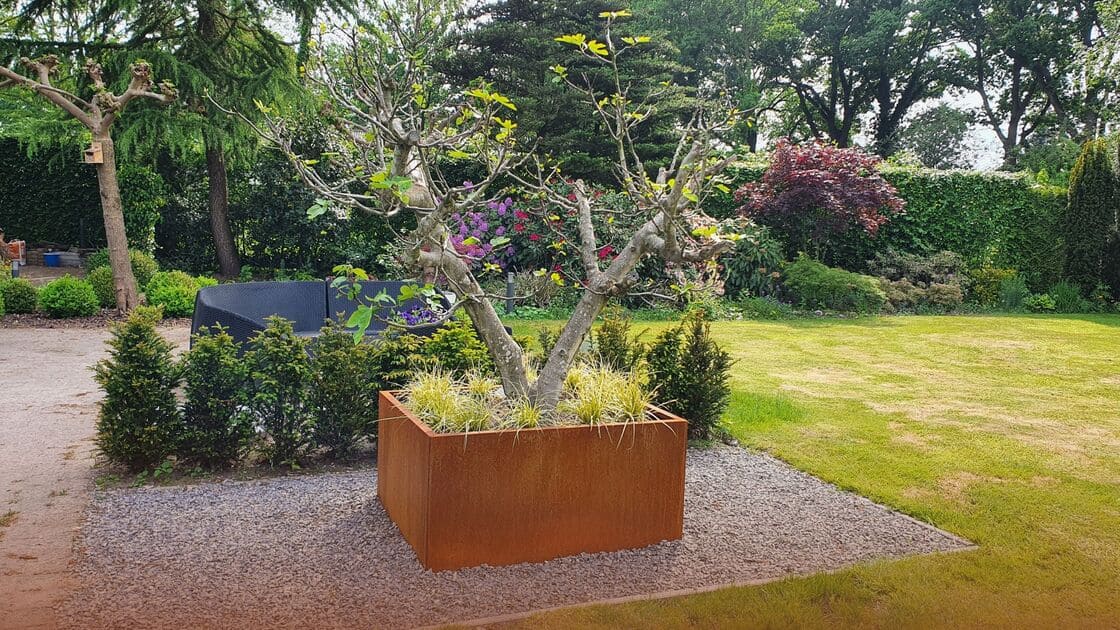
Corten steel is safe for your pets or wild animals in the area. The rust layer is stable and does not release harmful substances. Therefore, corten steel is a safe material choice for products in your garden.
However, be cautious of sharp edges on furniture, border edges, and other applications of corten steel. Sharp edges can cause harm if animals or children touch them.
Plant growth and soil quality
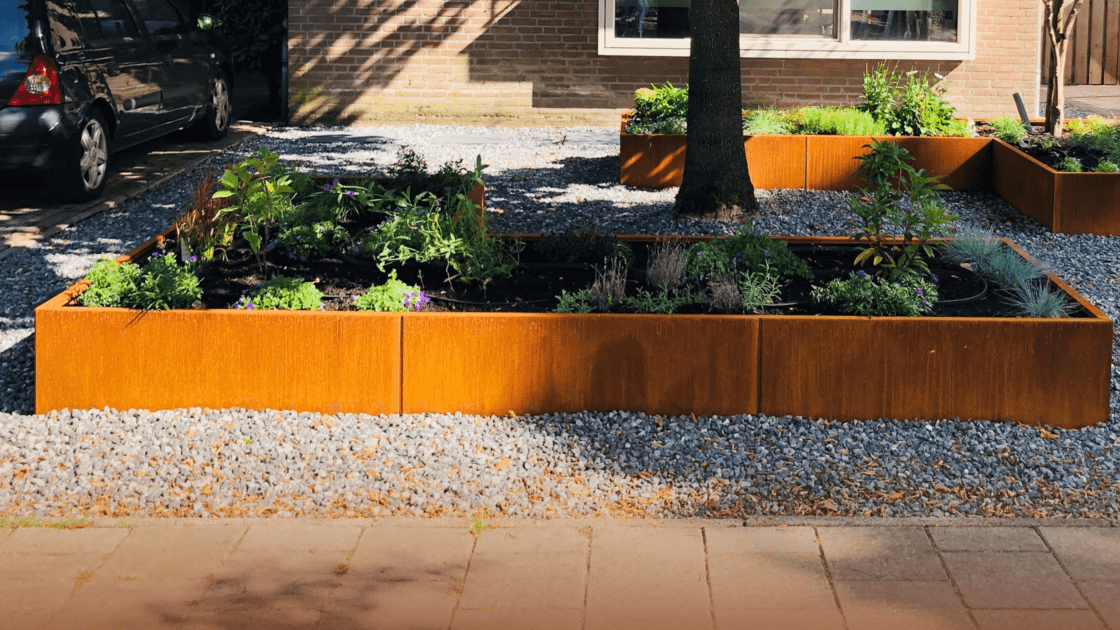
Many vegetable garden boxes are made of treated wood that has been chemically processed. This is not ideal for food cultivation. A planter made of corten steel is safer: it contains no harmful substances that can transfer and inhibit growth. The rust layer that forms is non-toxic and does not negatively affect plants.
Safety for children
Corten steel forms a protective rust layer that can transfer onto clothing and hands. This is not harmful, but it is important to pay attention to when children are playing in the garden.
Corten steel products can also have sharp edges or corners that can cause pain if children come into contact with them. Additionally, corten steel may feel warm in the summer, but never hotter than the outside temperature.
Practical tips for use
Proper usage of corten steel
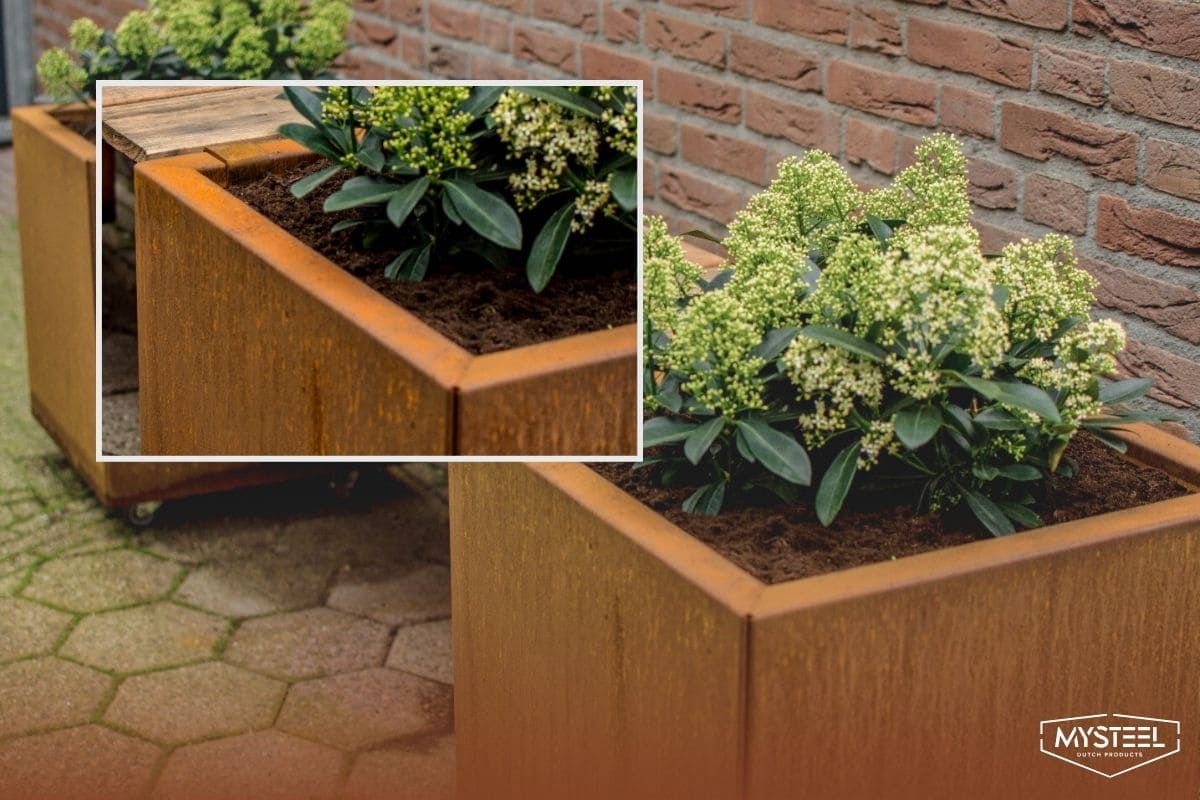
Before purchasing and placing corten steel in your garden, it is wise to ensure you are well-informed about any sharp edges and corners. Investigate which types are best suited for a child-friendly environment or fit your living conditions. The experts at MySteel are ready to assist you with that!
Conclusion
Corten steel is a type of steel that can be used in various ways in the garden. The unique feature of corten steel is that a natural rust layer forms on the material that protects it. This allows the material to last long, requiring little effort to keep it looking good. You need not worry about any potential negative effects of corten steel, as the material does not release harmful substances.
However, be cautious after placing something made of corten steel. The natural rust layer may transfer onto underlying materials or clothing for a while. It is also good to be mindful of sharp edges that the material may have, especially around children or animals.
Overall, corten steel is a great material choice for the garden. It has a natural look due to its reddish-brown rust layer and lasts for years without maintenance.